Education
Nov 5, 2026
Faith Is a Comfort, Not a Cure: What Religion Can and Can't Do With Grief
Faith is Comfort, Not a Cure
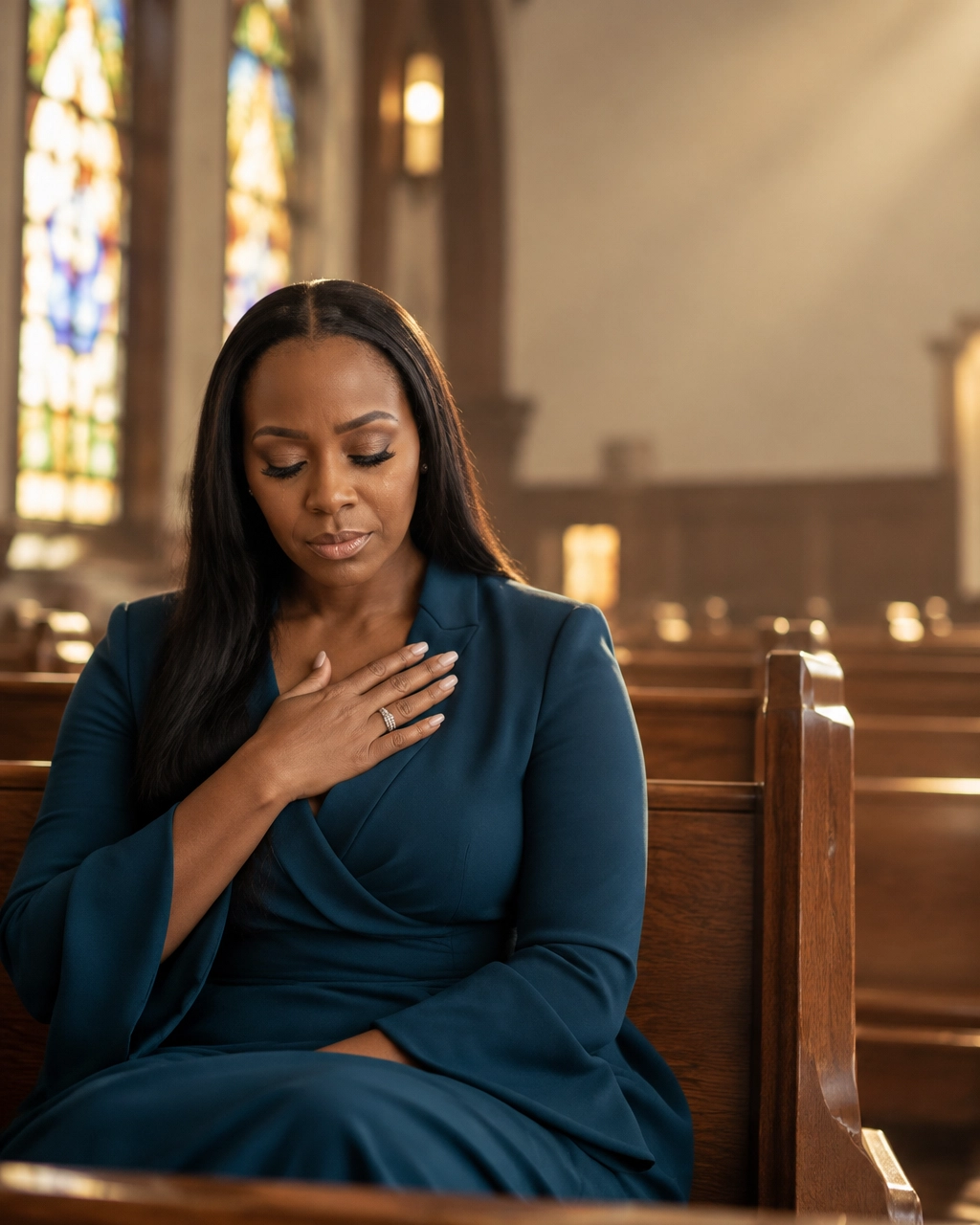
If you are grieving, faith may steady you, and your grief still deserves care.
Prayer can hold you. Community can surround you. Ritual can help you honor what you have lost. But none of these requires you to rush your tears, silence your questions, or prove that your faith is strong enough by appearing healed.
Faith is a comfort. Faith is not a cure. Prayer is real. Prayer is not a substitute for grief work. The two can hold each other.
When comfort becomes a way to skip grief
“God has a plan.”
“Everything happens for a reason.”
“Just have faith.”
“Don’t grieve too long: that’s not of God.”
“She’s in a better place.”
“You should be healed by now.”
“Joy comes in the morning, so why are you still crying at midnight?”
These words may come from people who love you. That can make them harder to name, and their impact lonelier. If a phrase closes the door on your sorrow instead of sitting beside you, it can turn comfort into pressure.
Some grief educators use the term spiritual bypassing for using spiritual ideas to avoid or silence painful emotions rather than making room for them. The Center for Loss and Trauma uses the phrase “grief bullies” for people who shame or police someone’s grief. These are descriptive terms, not clinical diagnoses. But they help us name a familiar hurt: being told to move on, be positive, or stop grieving before you are ready.
Faith is not the harm. Being denied space to grieve is.
Did you know? What research tells us, and what it doesn’t
A 2007 systematic review by Becker and colleagues examined 32 studies involving 5,715 people. Most studies reported some positive relationship between religious or spiritual beliefs and bereavement outcomes. The review also noted that faith can be a source of struggle, including crises of faith and feelings of abandonment by religious communities. Because the studies varied and had important limitations, the authors did not conclude that religion cures grief. Read the review in Palliative Medicine.
Did you know? The U.S. Department of Health and Human Services’ 2023 Report to Congress on bereavement and grief services estimates that about one in ten bereaved adults may develop prolonged grief disorder or complicated grief. That is a reason to make support accessible, not a reason to label every person who is still grieving as ill. The report emphasizes that grief is individual, and many people experience it for more than a year.
Did you know? In a 2024 implementation report in Psychiatric Services, researchers described a grief-support program in a Black church. Fifty-five church and community members participated; 80% were Black women. Some participants requested professional care, underscoring the importance of referral pathways alongside church-based support. The report offers a promising example of implementation, not proof that one program works for everyone. Read the study.
A church can be a first place to turn. That is exactly why grief-informed ministry matters.
The pew where you sit
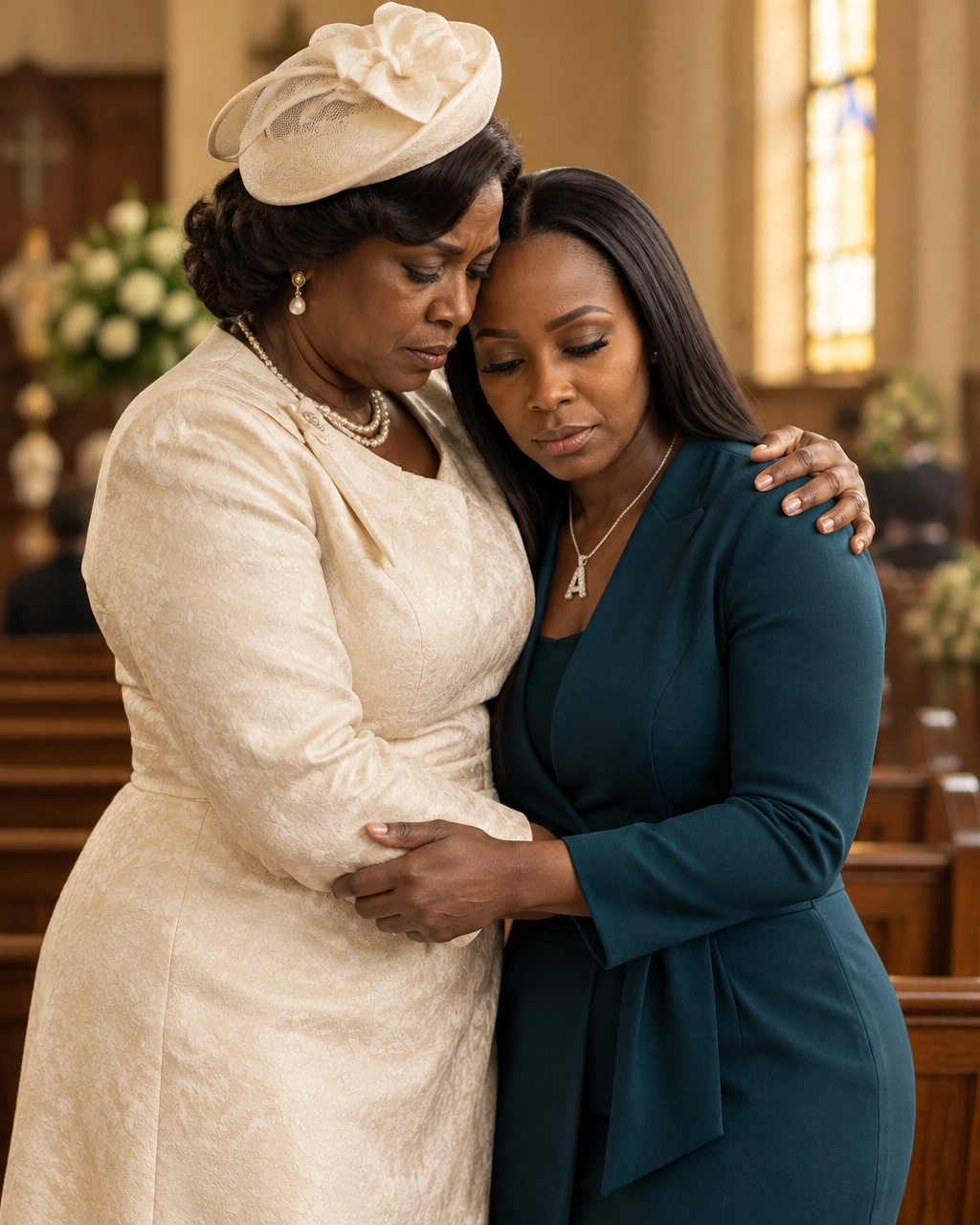
It is the third Sunday. The casseroles have stopped coming. The sanctuary is full, and somehow you have never felt more alone.
It is the empty chair at the table. The phone that does not ring anymore. Their name in the church bulletin. Their favorite song, chosen by someone who forgot it was their favorite.
It is being asked, “How are you?” — and answering, “Fine. Blessed.” Because that is what is safe. That is what is expected. That is what keeps the room comfortable while you are breaking in it.
It is standing to sing a song you used to love, and discovering your voice is gone. Sitting back down before anyone notices.
You are in the house of God, surrounded by people who love you.
And your grief has nowhere to go.
When sorrow is mistaken for a spiritual failure
You may be the widow wondering if your faith is too weak because you still ache.
You may be the mother whose tears return at the two-year mark, quietly asking whether your sorrow means your beliefs are broken.
You may be the man who stopped coming to church because you cannot sing the songs, not yet.
This is disenfranchised grief inside the sanctuary: mourning that gets treated as a moral problem instead of a human response to loss.
The devastating math sounds like this:
When the community says, “Just have faith,” the griever may hear, “My faith is the problem, and I am the problem.”
But tears are not evidence of spiritual failure. Anger, numbness, questions, and longing do not cancel belief. You can trust God and miss the person you love. You can pray and still need help. You can carry hope and feel the profound void in your heart.
You do not have to perform healing to prove your faith.
What faith can offer
Faith communities offer real gifts: people who remember your loved one’s name, rituals that give sorrow a place, meals left at the door, prayer circles, and the familiar strength of a community gathering around someone in pain.
Across traditions, mourning rituals, from sitting shiva to a homegoing service, help people mark a loss and hold one another through it. In Black church communities, the mourner’s bench, the prayer warrior, the sorrow song, and the repast can be part of a long history of refuge, witness, and collective care.
We honor that history. We honor what faith makes possible.
And we can tell the truth alongside it: even the strongest faith may need grief support alongside it. Prayer can be a source of comfort without being a replacement for counseling, a grief circle, or other care. The HHS report describes spiritual support as a valuable option when it gives people a compassionate space to explore their own beliefs and questions.
“Jesus wept.” (John 11:35)
Even in the most faithful story, grief gets its own verse. Its own tears. Its own human moment.

What grief-informed faith communities can do
If you lead a congregation or ministry, your presence matters. So does your preparation. You do not need to have a perfect answer. You can make the community safer for honest grief.
- Equip greeters, ministry leaders, and prayer teams. Help them understand what can comfort and what may unintentionally wound.
- Stay present beyond the funeral. Grief has a timeline that lasts longer than the service, the repast, and the first wave of check-ins.
- Make room for grief circles, not only memorials. Offer regular, facilitated spaces where people can speak without being rushed toward a lesson.
- Build relationships with mental-health professionals. Create a clear, welcoming path to grief-informed and culturally responsive care. The Black church implementation study points to the value of combining community support with referral options.
- Try a different first sentence. Instead of “Just have faith,” say: “I’m here. Tell me about them.”
For the grieving person, this matters too: you are allowed to seek support beyond the prayer line. That does not diminish your faith. It gives your grief more places to be witnessed.
You can also explore our services or learn more about our work.
AYANA’s Grief Method™: holding faith and grief together
Our approach makes room for the whole person: your beliefs, your questions, your history, and the loss you carry.
Acknowledge: Name the loss as real, even inside faith. Your sorrow does not offend God.
Yielding: Let the tears come. They can be prayers too. Grief and faith can kneel together.
Articulation: Bring the honest words. The Psalms hold lament as well as praise. Tell the truth to God and to people you trust.
Navigation: Pace your return to routines, community, and worship. Accept support beyond the prayer line. Find people who can walk with you without hurrying you.
Access: Seek grief-informed care alongside spiritual care. They are not competitors. They are companions.
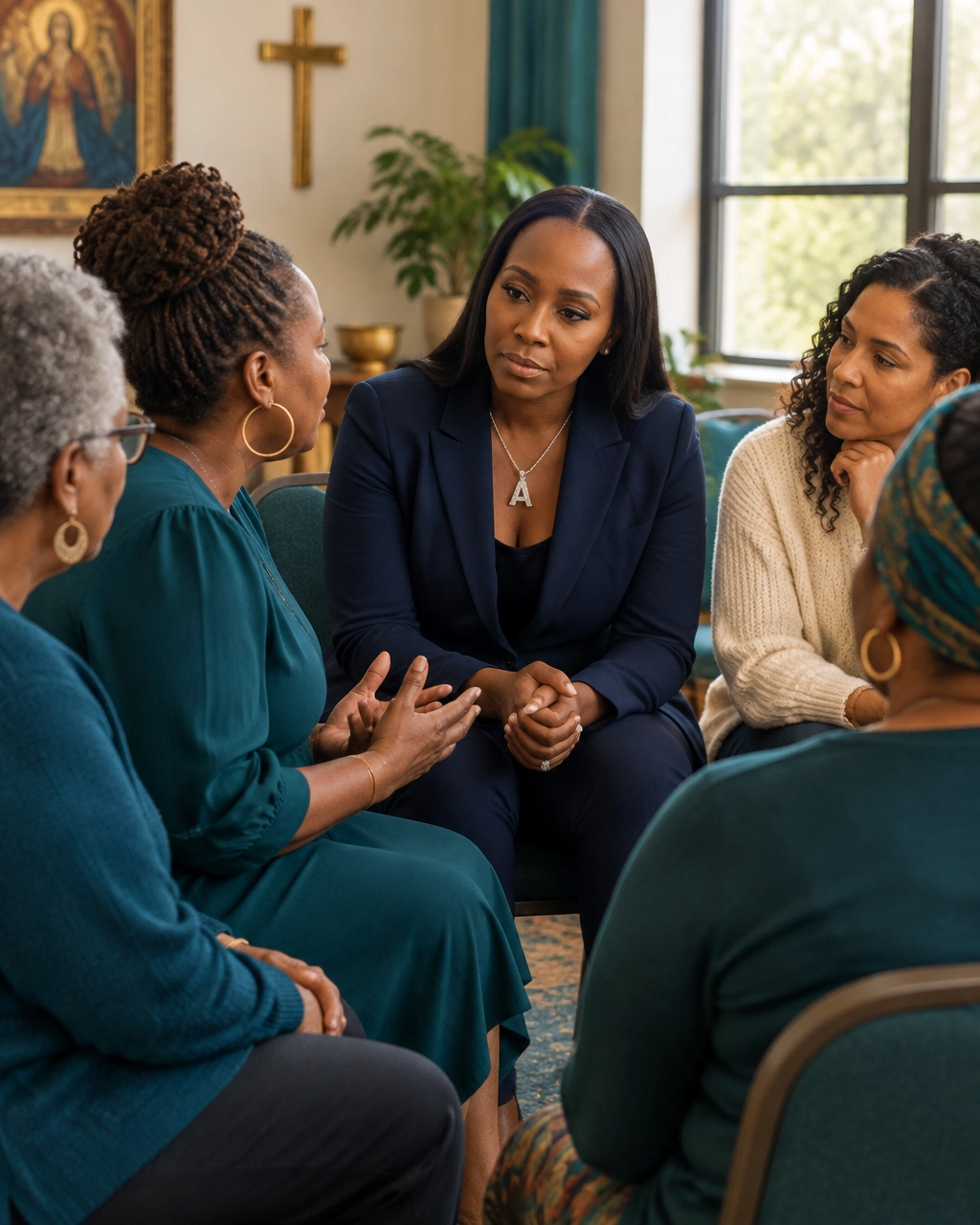
Your faith is not broken. Your grief is not too much.
Faith and grief are not enemies. Faith can be the atmosphere you breathe while you do the work of grieving, but it does not ask you to pretend the storm is not there.
The tears at midnight are not a lack of faith. Healing is not the absence of sorrow. It is sorrow carried with witness, community, honest words, and support that respects both your soul and your loss.
For women healing trauma, for men carrying grief quietly, and for anyone who has been told their sorrow should already be over: you deserve care that does not make you choose between belief and mourning.
Your faith is not broken. Your grief is not too much. You do not have to perform healing to prove your belief.
Prayer holds you. Grief work walks with you. You were never meant to choose between them.

Sources and further reading
- Becker et al., “Do religious or spiritual beliefs influence bereavement? A systematic review,” Palliative Medicine (2007).
- U.S. Department of Health and Human Services, An Overview of Bereavement and Grief Services in the United States: Report to Congress (2023).
- “Implementing a Grief Support Program in a Black Church to Support the Mental Health Needs of People in Bereavement,” Psychiatric Services (2024).
About the author
Dr. Ayana Thomas, Grief Practitioner AKA The Grief Doctor, brings over 20 years of experience at the intersection of human services, grief support, and justice-impacted systems. As the founder of Grieving Back to Life, Ayana’s work centers grief beyond death, addressing loss tied to trauma, incarceration, identity, and life disruption through trauma-informed, dignity-centered care.
Her approach combines lived experience and professional practice, creating spaces where grief is witnessed, not fixed, and healing unfolds at a human pace.
Gentle next step
If you’re considering reaching out, you’re welcome to contact us when you’re ready
Dr. Ayana Thomas, Grief Practitioner AKA The Grief Doctor.