Education
Oct 9, 2026
Communal Grief: Why We Feel the Violence We Never Experienced
Women can experience grief when violence wounds someone else, a family, or an entire community.
Women can experience grief when violence wounds someone else, a family, or an entire community.
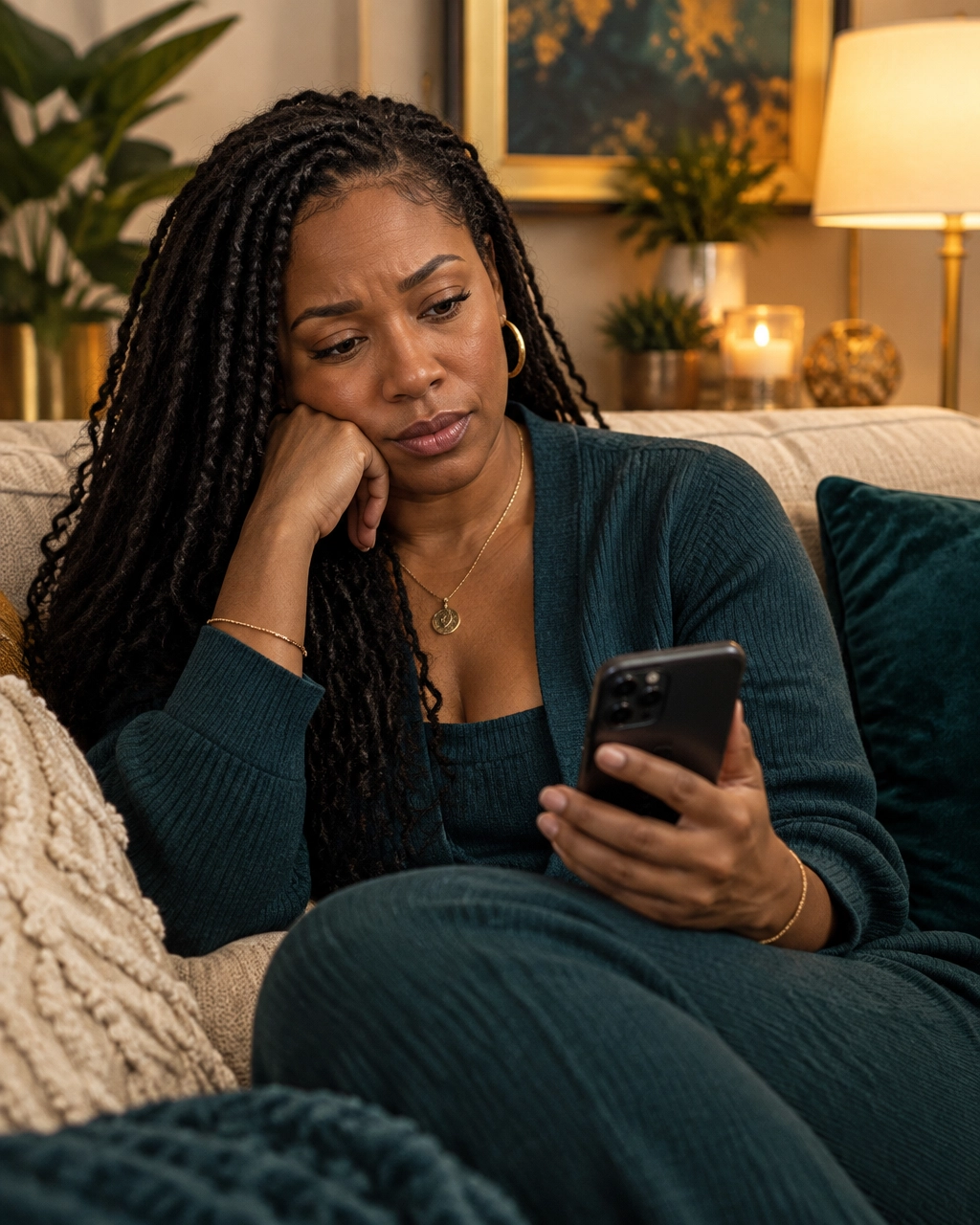
You may not have known her personally. You may not have been present when the violence occurred. You may have learned about it through a phone notification, a news report, or a video shared across social media.
Still, something inside you changes.
You feel fear. Anger. Sadness. Disbelief. Helplessness. You may feel exhausted from mourning people you never met.
This is communal grief.
Communal grief is the emotional pain a group experiences after a shared loss, threat, or traumatic event. It can affect neighborhoods, cultural communities, families, workplaces, faith communities, and entire generations.
You are not too sensitive. You are not dramatizing. What you feel when your community is wounded is grief, and it is real.
What Is Communal Grief?
Grief is not always private.
Sometimes grief moves through a community. It appears in the conversations people avoid, the silence after a tragedy, the fear that changes how women move through the world, and the gatherings where people come together because being alone feels unbearable.
Communal grief can follow:
- The death of a woman in an act of domestic violence
- An unprovoked or unexpected violent attack
- Violence against someone who represents your community
- Repeated exposure to traumatic news coverage
- The loss of safety, trust, innocence, or belonging
- The loss of identity after trauma
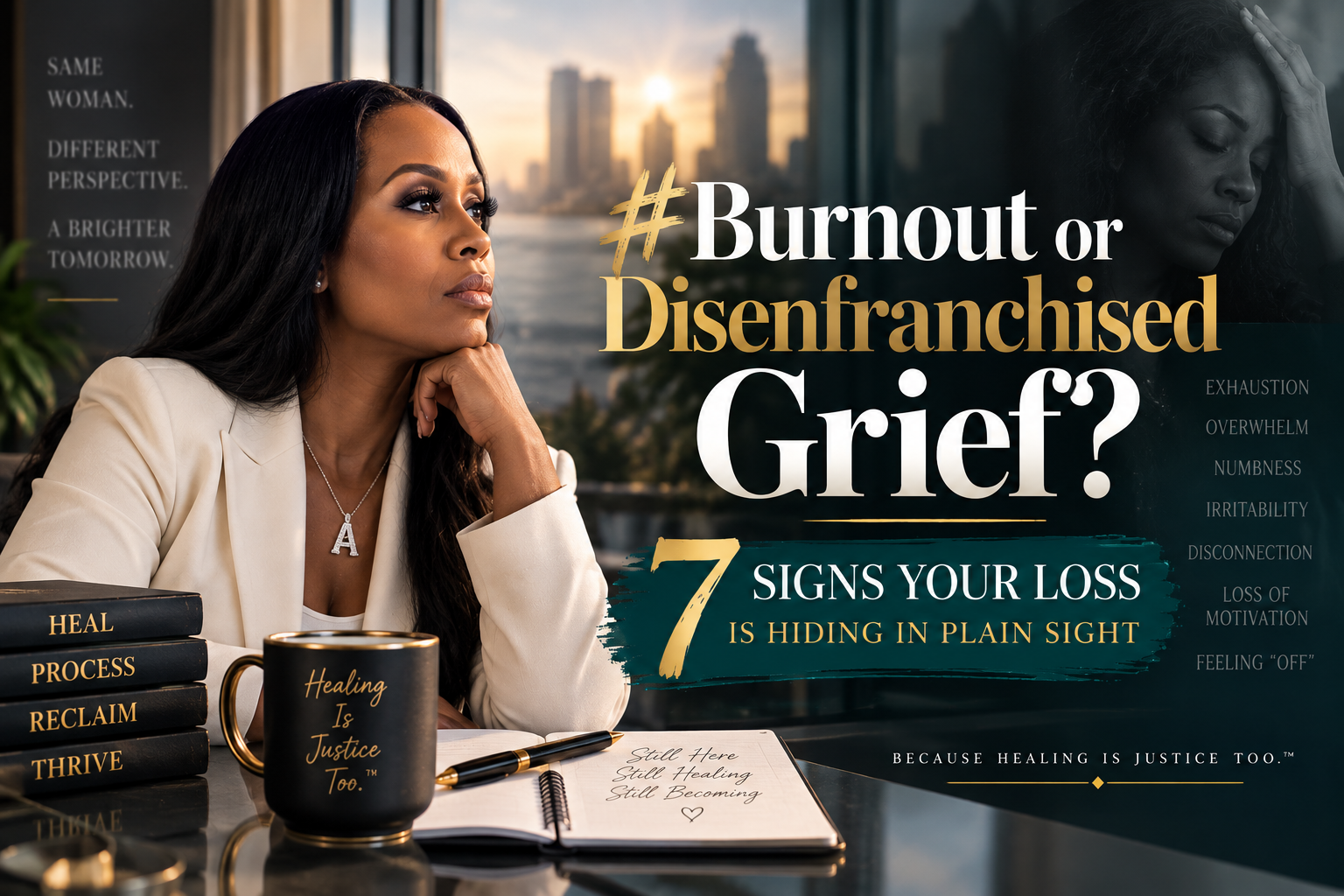
This grief may be disenfranchised grief when others do not recognize it as legitimate. Someone may say, “You did not know her,” or “You were not there,” as if proximity is the only measure of pain.
But grief does not require a personal invitation.
When a community is harmed, your sense of safety can be harmed too. Your trust can be shaken. Your understanding of the world can change.
That is enough to deserve care.
Communal Grief After Domestic Violence
Domestic violence does not affect only the person being harmed.
It affects children who hear or witness it. It affects relatives who receive the call. It affects friends who wonder what they missed. It affects neighbors who knew something was wrong but did not know how to intervene. It affects women who recognize their own experiences in the story.
When a woman dies because of domestic violence, the community grieves her life. The community also grieves the future she should have had.
For women still living with abuse, the grief may begin before they leave. You may grieve your sense of safety. You may grieve the relationship you hoped you had. You may grieve the version of yourself who felt free to speak, rest, trust, or make decisions without fear.
You may also experience loss of identity after trauma. Survival may require you to become quiet, watchful, or emotionally distant. Those responses can protect you, but they can also make it difficult to recognize yourself.
The community’s grief often includes fear:
- “Could this happen to me?”
- “Could this happen to someone I love?”
- “Would anyone believe me?”
- “Would anyone help me?”
- “How do I support her without putting her at greater risk?”
Did you know?
According to the CDC’s National Intimate Partner and Sexual Violence Survey, 47.3% of women in the United States, approximately 59 million women, report experiencing contact sexual violence, physical violence, and/or stalking by an intimate partner during their lifetimes.
Among non-Hispanic Black women, the lifetime estimate is 53.6%. The survey also found that 41% of U.S. women experienced one or more impacts related to intimate partner violence, including fear, concern for safety, injury, or post-traumatic stress symptoms.
These numbers represent individual experiences, but they also describe a community health crisis. Every statistic is a person, a family, a relationship, and a community carrying loss.
Communal Grief After Unprovoked Violence
Violence that appears to come without reason or warning can create a powerful shared response.
The community may experience shock because the event disrupts the belief that ordinary places are safe. People may feel rage because a life was taken or changed unfairly. People may feel helpless because there is no immediate way to undo what happened.
It is important to remember that calling an act “unprovoked” does not mean there was no history, context, or warning. It means the violence was not justified. No argument, conflict, or circumstance gives anyone permission to harm another person.
After an unexpected violent event, you may notice:
- Difficulty concentrating
- Changes in sleep
- Increased alertness
- Fear in familiar places
- Anger that feels difficult to express
- Numbness or emotional detachment
- A need to constantly check on loved ones
These responses do not mean you are weak. They may be signs that your mind and body are trying to process an event that feels impossible to understand.
Did you know?
The CDC’s National Violent Death Reporting System reported that in 2022, Black females had the highest homicide rate among U.S. female racial and ethnic groups at 8.5 deaths per 100,000.
Homicide is also one of the leading causes of death for women ages 44 and younger, with especially serious consequences for younger Black women.
A 2025 analysis by the Violence Policy Center found that, among qualifying 2023 cases where the relationship was known, 90.2% of Black females murdered by male offenders were killed by someone they knew. More than half of those known offenders were current or former intimate partners.
These findings help explain why communal grief can feel personal. The violence may not have happened to you, but it may reflect a danger that women in your community already understand.

The Grief We Absorb From the Media
The media can keep a violent event emotionally present long after the first report.
You see the headline. Then the name. Then the photograph. Then the video. Then the reactions. Then the updates. Then the arguments in the comments.
The information may arrive continuously, but your nervous system does not always have time to recover.
You may begin doom-scrolling because you want to understand what happened. You may keep checking because you want to make sure your loved ones are safe. You may feel guilty when you stop paying attention. You may feel numb when another tragedy appears.
That numbness does not mean you do not care. Sometimes it means you have cared for too long without enough support.
Did you know?
Research published in Science Advances found a reinforcing relationship between media exposure to mass-violence events and distress. Exposure was associated with distress, and distress also predicted later consumption of trauma-related media.
A study in Scientific Reports found that people who shared an identity with targeted victims reported greater exposure to event-related media and higher acute stress.
This does not mean every person who watches the news develops trauma. It does mean repeated exposure can affect your emotional well-being, especially when the story connects to your identity, history, or community.
Your care for the world does not require unlimited access to its pain.
Communal Grief Needs Communal Care
We do not heal communal grief by pretending it is not happening.
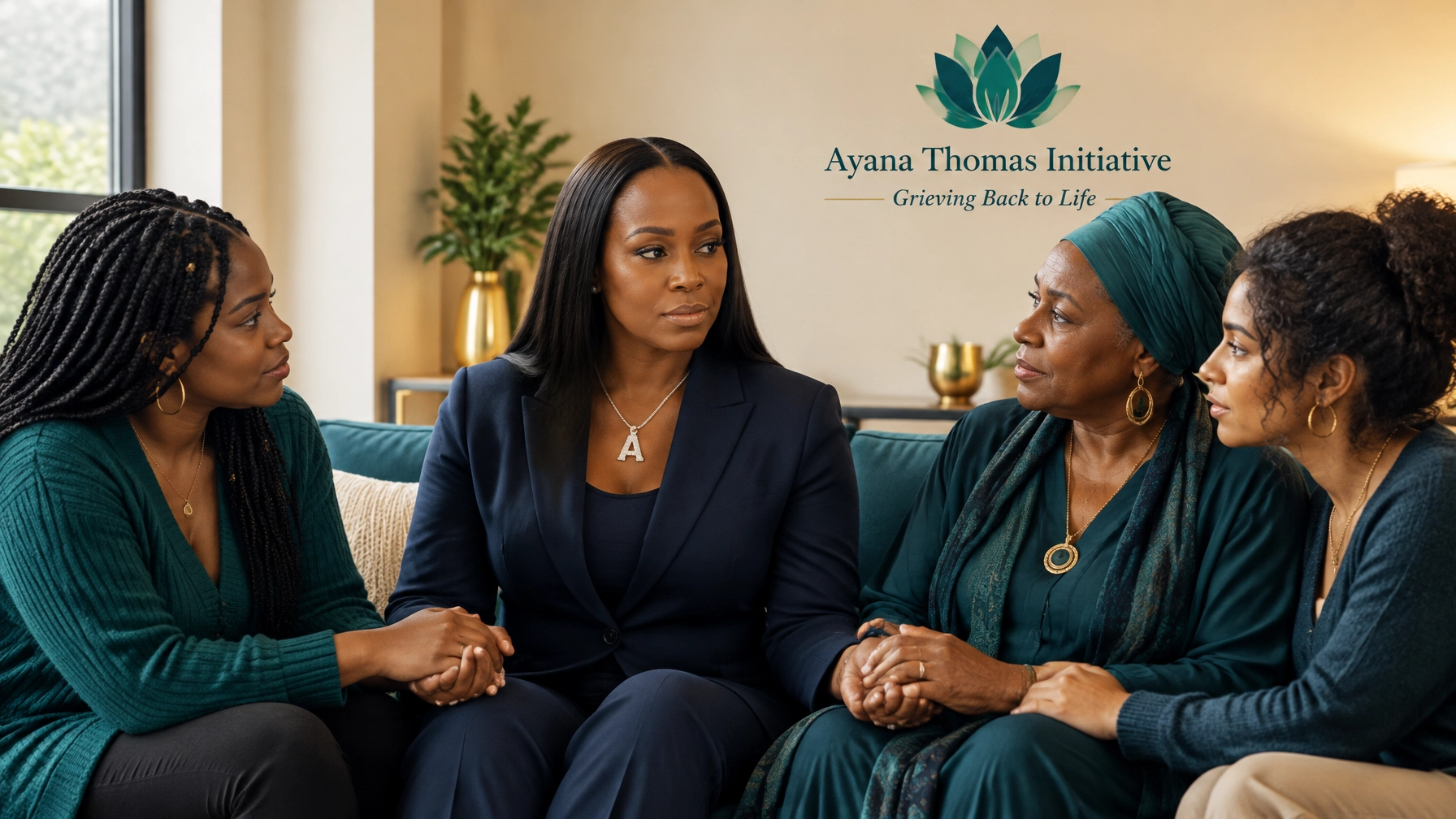
We heal by naming the loss honestly. We heal by holding space for one another. We heal by creating places where people can speak without being judged, rushed, or told to move on.
As bell hooks wrote, “Rarely, if ever, are any of us healed in isolation. Healing is an act of communion.”
Communal care can include:
- Set boundaries with the news.
Choose specific times to check updates. Turn off autoplay. Avoid graphic videos. Follow reliable sources instead of repeatedly searching. - Name what you are feeling.
Say, “I am grieving,” “I am afraid,” or “I am carrying this community’s pain.” Naming your experience can reduce shame and confusion. - Gather safely.
Join a trusted support circle, faith community, family conversation, or healing-centered group. You do not have to explain every detail to deserve support. - Create a ritual.
Light a candle. Write a name. Share a memory. Pray. Sit in silence. Make art. Ritual gives grief a place to go. - Care for your body.
Eat something nourishing. Drink water. Rest. Walk. Breathe slowly. Trauma and grief affect the body as well as the mind. - Reach for trauma support for women.
If grief is affecting your sleep, relationships, identity, work, or ability to feel safe, consider professional mental health support for women.
Our work through Grieving Back to Life recognizes that grief extends beyond death. It can include trauma, fear, identity disruption, relationship loss, and the loss of safety. Through individual grief counseling and organizational workshops, we create trauma-informed spaces where grief can be witnessed and healing can begin.

Using AYANA’s Grief Method™ in Community
When communal grief feels overwhelming, AYANA’s Grief Method™ offers a grounding path:
- A, Acknowledge: Recognize that violence has affected you and your community.
- Y, Yielding: Give yourself permission to pause, feel, rest, and receive support.
- A, Articulation: Put language to the fear, anger, sadness, and losses you are carrying.
- N, Navigation: Identify the next safe and meaningful step, one step at a time.
- A, Access: Connect with trusted people, professional care, resources, and community support.
You do not have to carry every loss alone. You do not have to consume every headline to prove that you care. You do not have to become numb to survive the world.
Communal grief is real. Communal healing is possible.
When one woman is wounded, we do not have to look away. We can respond with honesty, dignity, connection, and care.
Grief is hard. Finding help does not have to be.
Sources and Further Reading
- Centers for Disease Control and Prevention: National Intimate Partner and Sexual Violence Survey
- Centers for Disease Control and Prevention: National Violent Death Reporting System
- Science Advances: Media Exposure to Mass Violence Events Can Fuel a Cycle of Distress
- Scientific Reports: Shared Social Identity and Media Transmission of Trauma
- Violence Policy Center: Black Women Murdered by Men Are Almost Always Killed by Someone They Know
Ayana Thomas Initiative LLC
Website: www.grievingbacktolife.com
Email: ayana@grievingbacktolife.com
Phone: 862-240-3260
About the author
Dr. Ayana Thomas, Grief Practitioner AKA The Grief Doctor
Dr. Ayana Thomas, Grief Practitioner AKA The Grief Doctor, brings over 20 years of experience at the intersection of human services, grief support, and justice-impacted systems. As the founder of Grieving Back to Life, Ayana’s work centers grief beyond death, addressing loss tied to trauma, incarceration, identity, and life disruption through trauma-informed, dignity-centered care.
Her approach combines lived experience and professional practice, creating spaces where grief is witnessed, not fixed, and healing unfolds at a human pace.
Gentle next step
If you’re considering reaching out, you’re welcome to contact us when you’re ready